By Brianna Wallen
News Editor
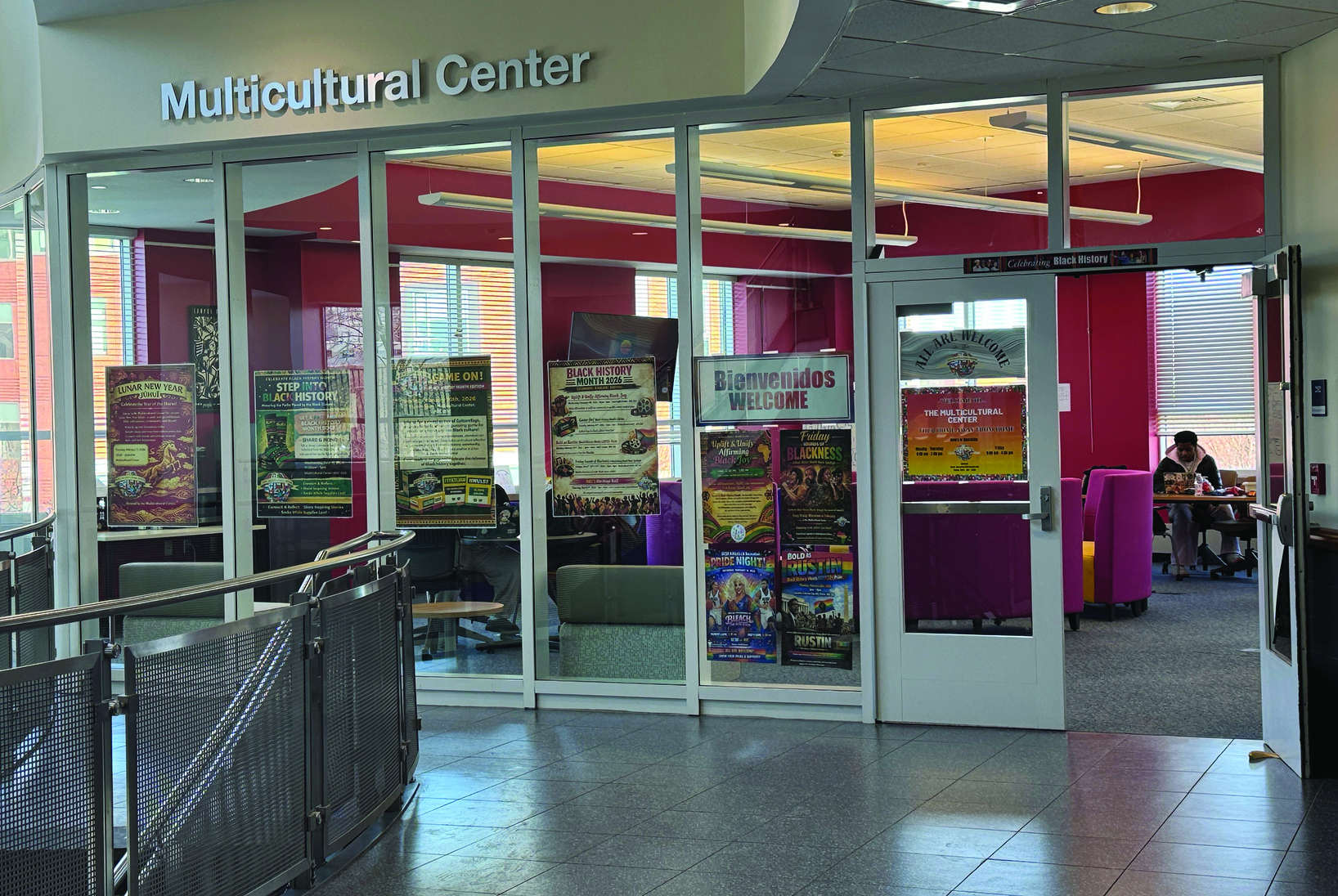
Each year, February unfolds like a canvas filled with history and hope as Black History Month invites the campus to reflect on legacy, resilience and the lasting impact of excellence.
Vice President for Diversity, Equity and Inclusion Sergio Pérez released the 2026 diversity, equity and inclusion newsletter on Feb. 2 with a message that frames Black History Month as both a moment of reflection and a reminder of the university’s continued commitment to equity and belonging.
“As we enter a new term, one marked by both change and possibility, I invite us to reflect on how we live out Southern’s social justice principles of dignity, compassion, kindness, civility and respect,” Pérez said.
Pérez emphasized the university’s DEI efforts remain the root of the institution, despite ongoing national changes.
“Our DEI efforts continue to evolve within a shifting national landscape, yet what remains constant is the commitment, humanity and care I witness across our campus every day,” Pérez said.
This commitment and unwavering support continues to shine as the university celebrates the legacy of Black excellence. Reflecting on the origins of Black History Month, the newsletter references Carter G. Woodson, the founder of the Association for the Study of African Life and History.
“Affectionately known as the ‘Father of Black History,’ he worked to institutionalize the stories and successes of many in the Black community and members of the African diaspora in the United States,” Pérez stated in the newsletter.
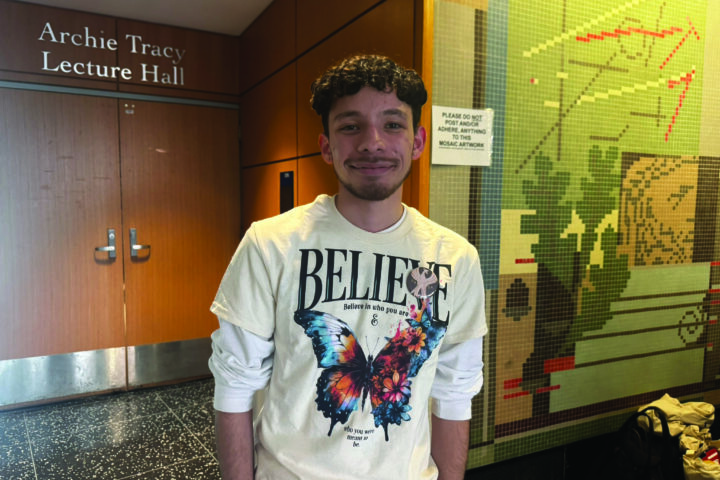
For sociology major Ryan Phillips, a junior and member of Omega Psi Phi Fraternity Inc., Woodson’s legacy holds personal meaning.
“As a member of a Black Greek organization, I feel honored knowing that a member of my fraternity, Dr. Carter G. Woodson, is the one who started it all,” Phillips said. “Originally known as Negro History Week, Dr. Carter G. Woodson allowed us to celebrate being Black.”
The newsletter highlights that history was shaped by powerful Black voices, entrepreneurs and leaders.
“He is not alone in this work though, as Black women, Black queer folks and Black trans people have been at the forefront of cultural change, activism and imagination; often without receiving the credit they deserve,” Pérez stated in the newsletter.
Since Black voices and achievements are often written out of history, Phillips said that Black History Month is a time to shine light on those hidden chapters.
“All the achievements that people with our skin color have made and all the struggles we have
been through are never forgotten because year after year we celebrate them,” Phillips said. Phillips said he hopes people in the community open their eyes to contributions that many Black figures have created.
“There’s a lot of things that you might have never known were made by someone with the same skin color as me,” Phillips said.
Phillips said he hopes this time of reflection allows individuals to learn about the deep history that is rooted in this nation.
“You’re living in one of the greatest creations made by Black people,” Phillips said.
Beyond the celebration, both the newsletter and student voices emphasize education as a crucial element to Black History Month.
Whether it is following the African American History Library Guide or researching The Mary & Eliza Freeman Center, Pérez calls on the campus community to attend upcoming events and to take advantage of resources to educate themselves.
As Black History Month continues, Pérez invites the campus to remain connected and reflective.
“I welcome conversations, questions and collaboration around DEI, belonging, access and student success,” Pérez said. “My door is open, as I know our work is strongest when we do it together.”
For Phillips, this month is an opportunity for him to embrace his own identity and pride.
“I love being Black,” Phillips said. “I hope I’m born Black in every lifetime.”