By Brianna Wallen
News Editor
In the Makerspace filled with fabric, thread and the steady hum of sewing machines, students are stitching together more than just cloth.
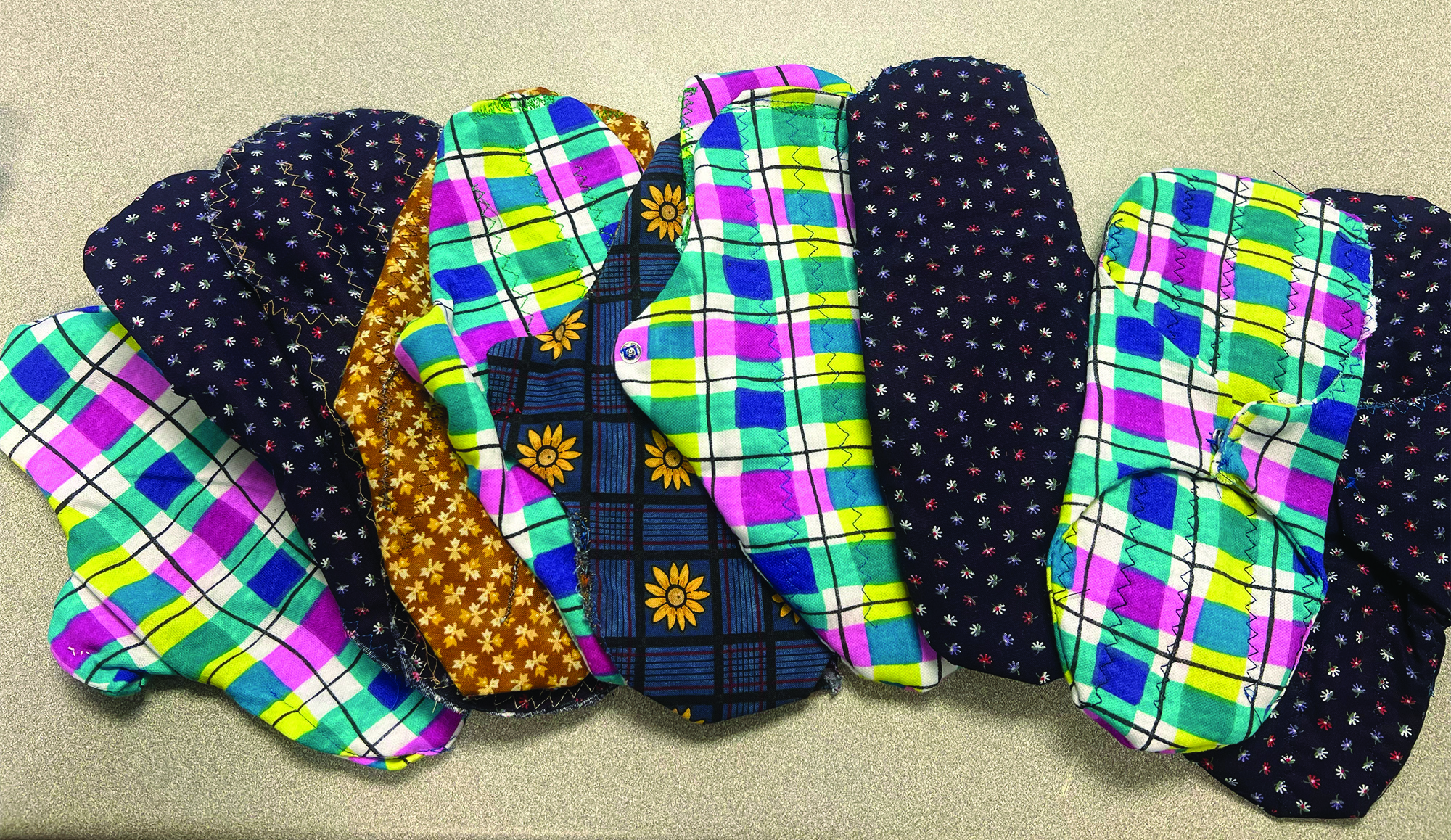
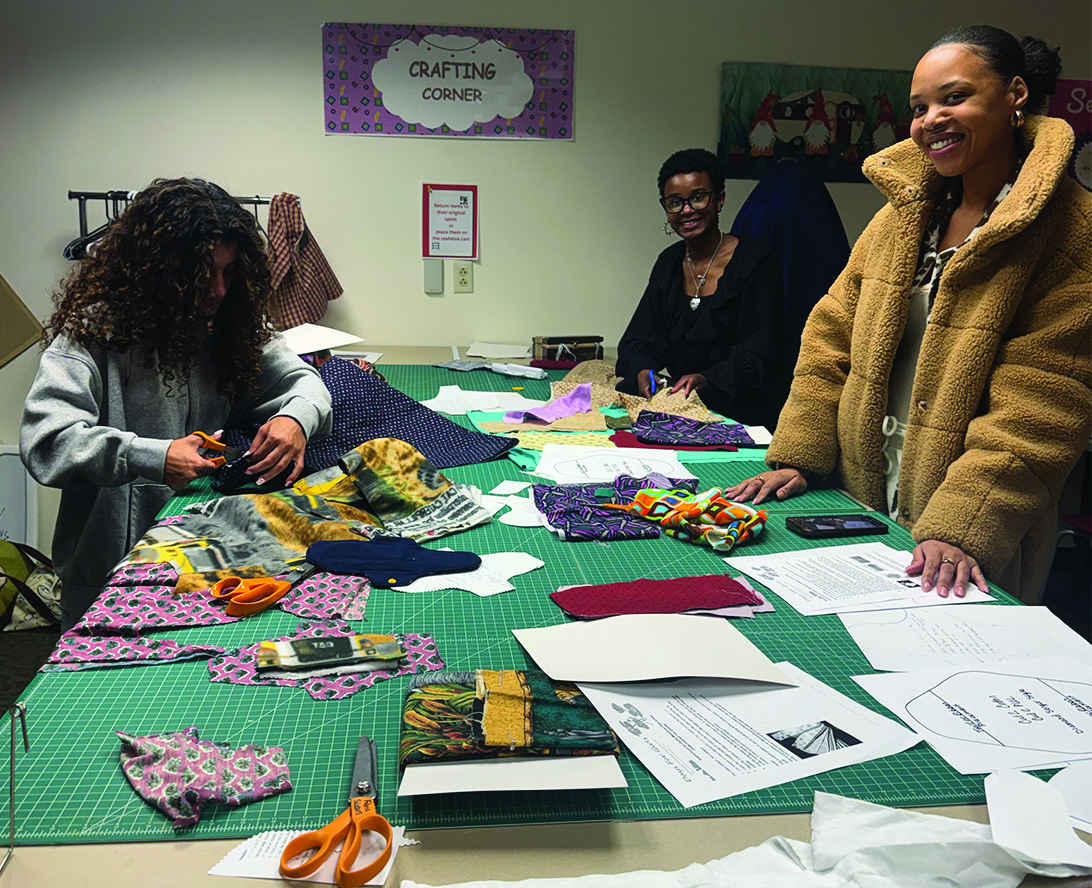
In the 380 Anthropology of Women and Health course, students are creating Reusable Menstrual Pads, RUMPS, to address a critical barrier that prevents many girls in parts of Africa from staying in school: limited access to menstrual products.
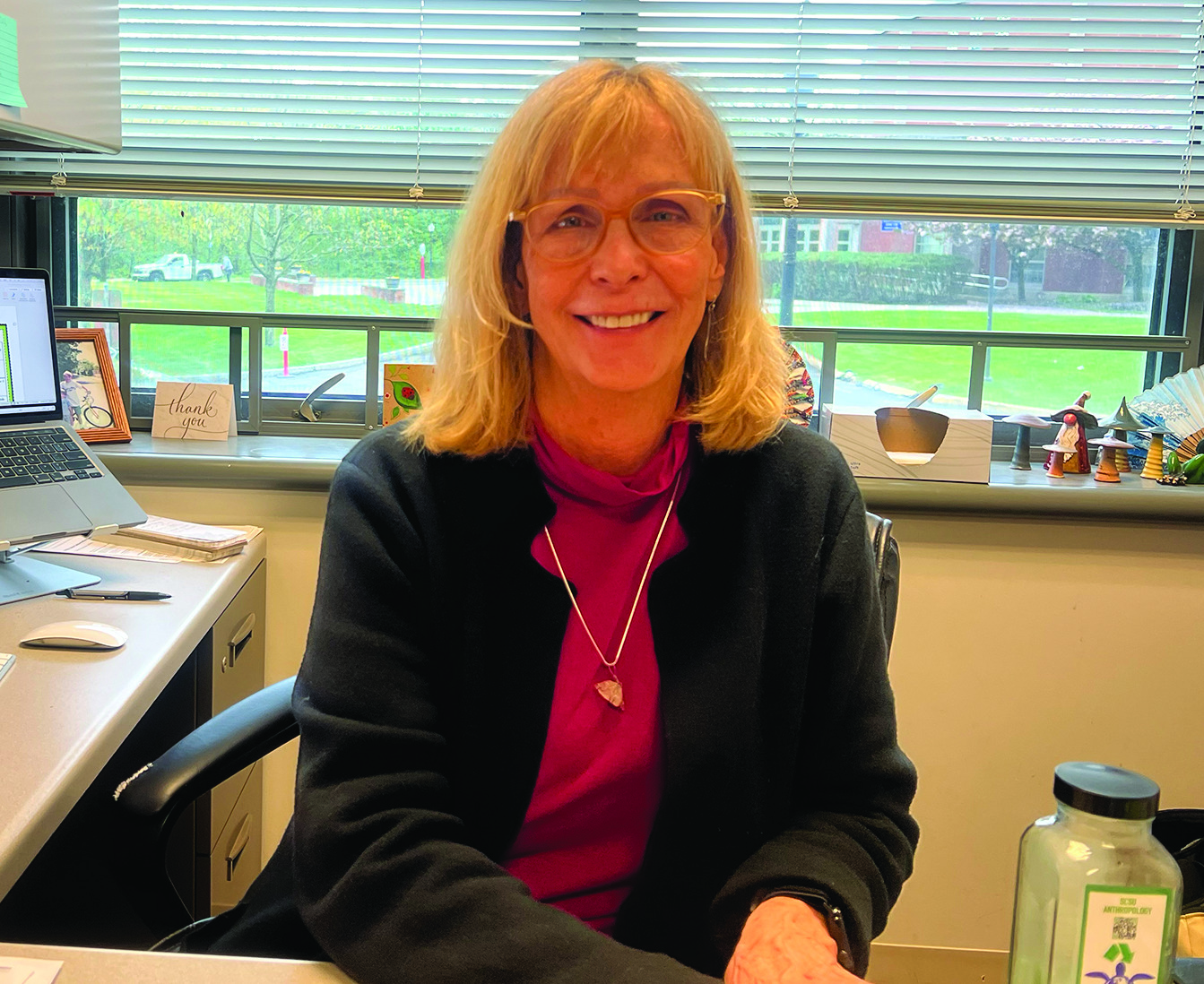
“It just seems so heartbreaking to me and so unjust that a basic necessity for women is putting their lives at risk,” Kathleen Skoczen, an anthropology professor and department chair, said.
Skoczen said the initiative was inspired by course material that exposed students to the harsh realities many young women face in Nyanza, Kenya.
Through reading “Love, Money, and HIV: Becoming a Modern African Woman in the Age of AIDS” by Sanyu A. Mojola, students learned how something as basic as menstrual care can influence whether girls stay in school or are forced into dangerous situations to meet their needs.
“What really inspired it was this idea that the women that are at risk of HIV are needing money for luxuries to stay in school, and those luxuries are period products, which I just find so insulting,” Skoczen said.
Young women are approximately six times more likely to be infected than men in South Africa and three times more likely in East Africa, according to the National Library of Medicine.
This stark gender disparity is driven in part by economic vulnerability, as young girls are forced into sex work or intergenerational sexual relationships in order to afford menstrual products.
Students moved beyond discussion and swung into action by sewing reusable menstrual pads in the university’s Makerspace.
Skoczen said she hopes students gain a sense of empowerment and learn that even small actions can help them grow into the best versions of themselves.
“They’ve read about this difficult situation, and here is an opportunity to make a little bit of a difference in someone’s life on the other side of the globe,” Skoczen said.
Skoczen stressed that this hands-on approach helps students better connect with the issue.
“I think an important part of it is that they’re kind of getting experiential learning,” Skoczen said. “Their understanding of why this is important is kind of reinforced through actually making those.”
Skoczen also analyzed how these experiences can shape students beyond the classroom.
“I also think it’s important for our students to think about people living in a different place and maybe doing even the smallest little thing to help them,” Skoczen said.
This hands-on experience not only deepens their understanding but also allows students to make a meaningful impact that will reach communities abroad.
According to Skoczen, the pads created by students are expected to be sent to communities in Madagascar through the charitable organization Sustainable Environmental, Educational Development Madagascar.
The initiative is also shaped by the work of Tayler Page, an adjunct professor of the anthropology department and university alumni.
Page helped to carry out the RUMPS initiative in Zambia and Botswana during her time as a volunteer for Pact, a non-governmental organization.
“The women would just make the reusable menstrual pads, and then they would sell them to generate revenue towards female empowerment, hoping to reduce the contraction rate of HIV amongst adolescent girls and young women,” Page said.
Beyond sewing pads, the Pact program stressed the importance of education and sustainability through GLOW, Girls Leading Our World, camps where girls learned to make pads.
“Those girls learn how to make the reusable menstrual pads at those overnight camps,” Page said. “And then they go back to their schools, and they create GLOW clubs so that they can teach their other classmates.”
Page said she hopes the pads created by students can ease some of the challenges these girls face.
“I hope it can change some lives, and I really hope that the young girls don’t have to rely on using their bodies to generate income. That they don’t have to turn to sex work, or that they don’t have to turn to favors from partners that aren’t in their generation,” Page said.
While the act of sewing may appear simple, students are not only learning about global inequalities but actively working to address them — one stitch at a time.