By Solé Scott
Editor-in-Chief
The university is seeing an increase in phishing emails affecting all students and staff.
Interim Vice President of Information Technology Walter Schwarz is trying to address the situation and mitigate the problem.
“It’s a trend that has been increasing over the years,” Schwarz said.
Students are receiving emails in their Outlook inboxes about new parttime job opportunities that are covered under work study.
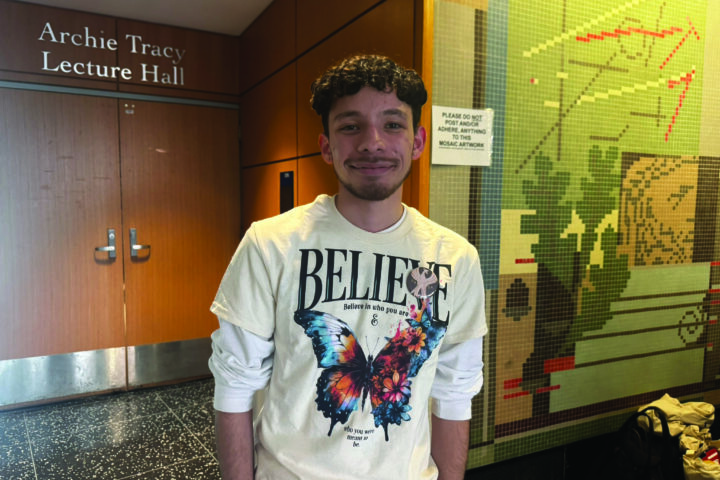
Psychology major Yadeliz Lozada, a senior, works in the Office of Residence Life and has seen the increase in fraudulent emails.
“Working on campus, people fall for it, and we have to let them know that it’s just fake and fraud and to not reply to it,” Lozada said.
Phishing emails are starting to become more advanced as fraudsters are sending messages that look like they are coming from another student or a faculty member.
Phishers are using logos and email signatures that mimic university officials.
“It looks like it’s coming from an actual person at the university,” Schwarz said. “Those phishing messages are the ones that bypass our blocks and our filters.”

Currently, this is the university’s main problem, but there is a new system in place that will help to mitigate the problem.
“We have email filtering in place that blocks certain domains that have been known to send certain messages like this,” Schwarz said.
All the steps the university is taking to combat this problem are in place, but there are still certain fraudulent emails that are bypassing the system.
“I think that people that are incoming freshmen will fall for it because it’s their first year and not having any cash and looking for a job, they might think it’s real,” Lozada said.
Phishing emails are not only on the rise at this university, but all over the country.
According to a Check Point Research report, education was the most cyberattacked in 2024.
In their State of Cyber Security 2025 report, there were over 3,000 weekly cyberattacks at educational institutions.
“We need to advertise this: that it’s a fake, don’t fall for it, and Southern should do something about it,” Lozada said.
Lozada said that students who receive suspicious messages in their emails should report immediately to the Information Technology desk in Buley Library. “
If it’s taking you to a place that’s some link that has strange text in it, it’s taking you to a place where it’s collecting information on the system that is not an authorized university system, and that is a warning flag,” Schwarz said.
Once a student reports the email, then the university’s system is alerted. This allows a thorough investigation to take place and for others who may have clicked on the message to be contacted.
The university is working on other options to decrease phishing emails so students can receive additional support and resources.
“The system office is considering adding additional training for students,” Schwarz said. “Right now, our training is focused on staff and faculty only, but I have highlighted the need for students, especially in this area where we are not doing enough in my perspective.”