By Victoria Cruz
News Writer
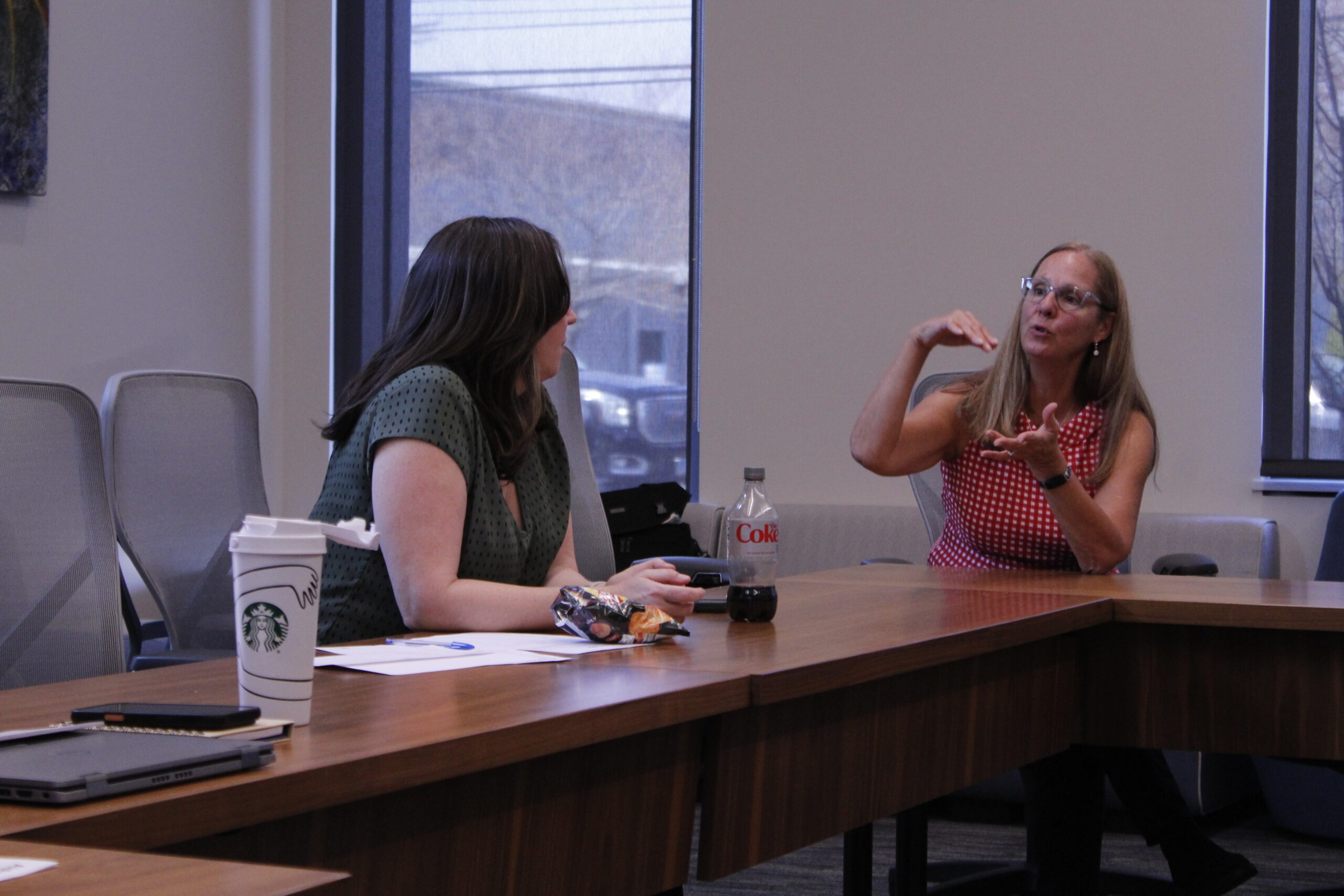
A workshop designed to guide students toward purposeful careers was hosted at the School of Business on March 31. called The Power of Self Awareness. The event used the Predictive Index Behavioral Assessment testing tools to help students take an introspective approach to career planning.
Organizers stressed that the assessment is not a test but an objective way to identify natural tendencies.
“This workshop really helped me understand my behavior more and focus on not only my strengths but my weaknesses,” business major Zachary McCarthy, a junior, said.
The session focused on five key mental drives: dominance, extraversion, patience, stability and formality. Students learned how each creates specific needs and predictable behaviors.
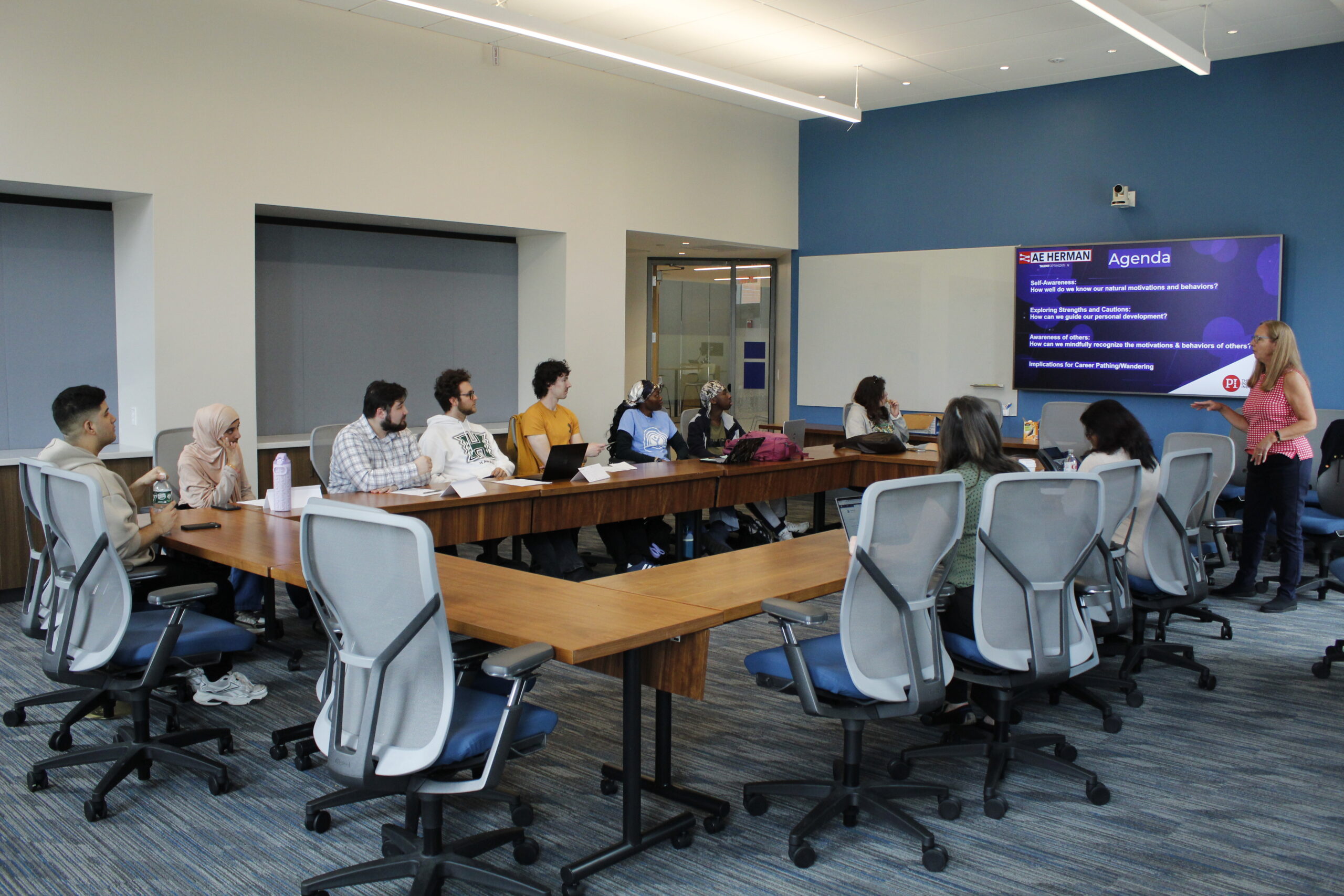
Attendees were encouraged to map their “self-graph” results and reflect on strengths that come easily as well as potential cautions, such as a tendency to lead without listening.
Speakers highlighted practical applications such as improving mentor and faculty relationships, strengthening teamwork, enhancing resumes and preparing for interviews. Informational interviews and mentorship were presented as low-stress ways to explore career fit and build networks.
Students reflected on how the workshop helped them learn about their own capabilities and opportunities.
“It will help me tremendously to communicate with other people, especially in teams. I think it is important to practice being a team player and developing transferrable skills,” McCarthy said.
The session underscored that aligning work with intrinsic motivation can reduce stress and increase job satisfaction.
Through side-by-side comparisons, attendees examined how differing needs create both friction and motivation. Several participants shared real world experiences, recounting how mutual awareness of personality differences smoothed collaboration attempts.
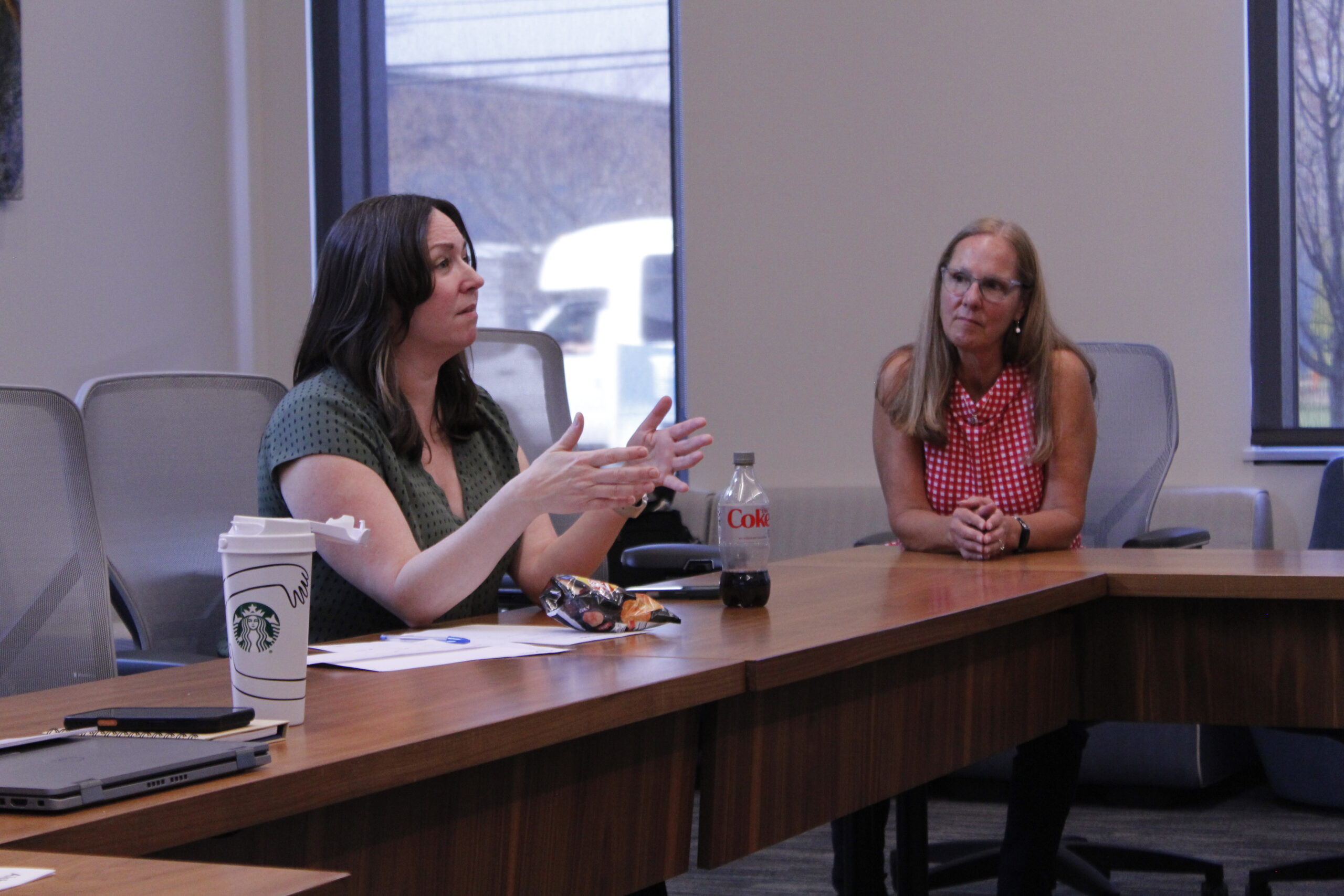
A core takeaway was the distinction between the “self-graph”, natural tendencies, and the “self-concept,” how one adapts to perceived expectations.
The self-graph remains relatively stable across years, rooted in early personality formation, whereas the self-concept shifts when life circumstances change.
Interactive exercises encouraged partners to identify potential strategies for effective collaboration.
Discussion revealed that teams lacking diverse viewpoints risk stagnation while mixed structures and spontaneity often yield stronger outcomes.
The workshop stressed a growth mindset; behavioral data should inform development, not excuse poor performance.
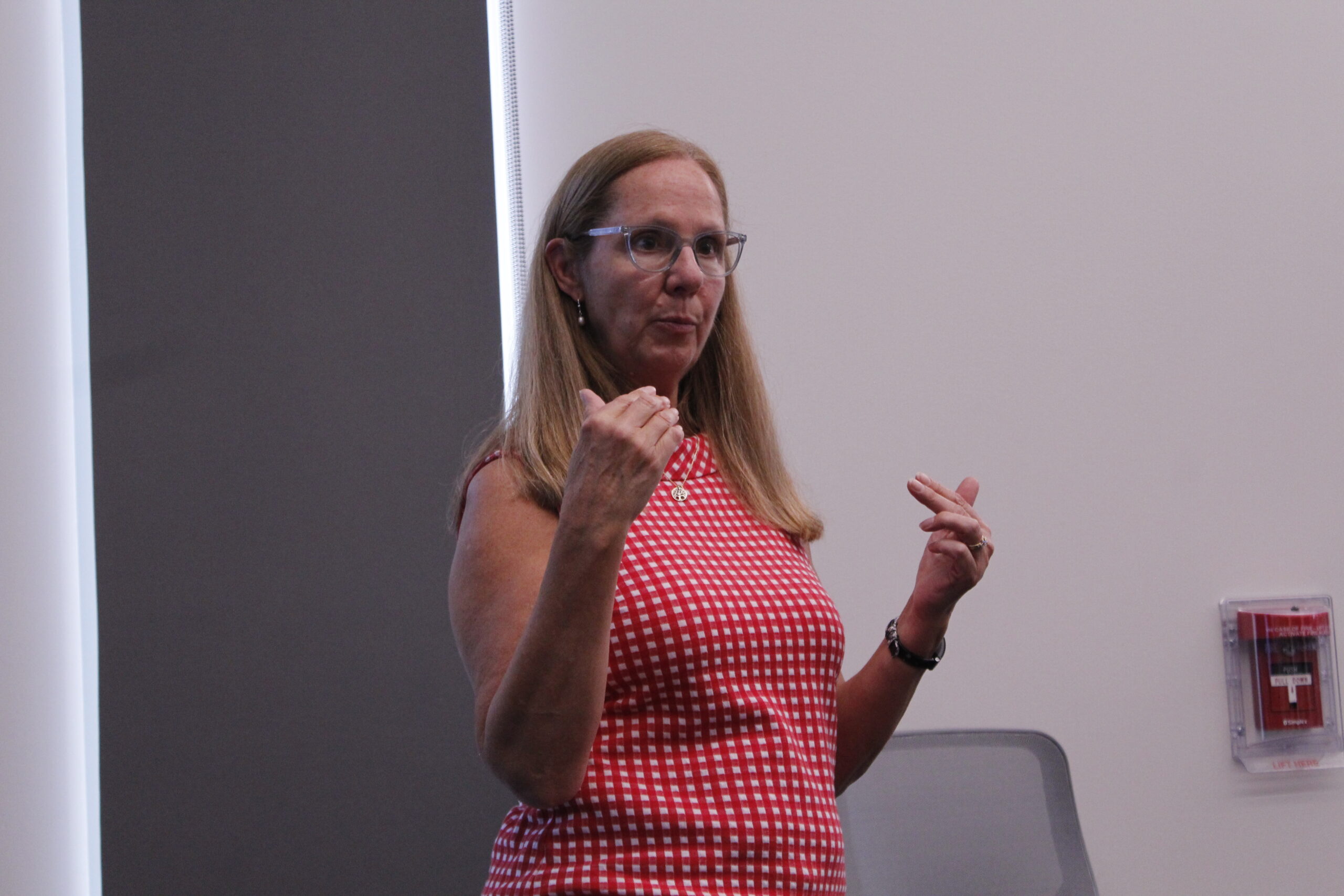
Organizers warned against using assessments as fixed labels or disciplinary tools. Instead, they promoted mutual understanding and compromise to build stronger working relationships.
“There is always room to grow together and try to understand each other’s perspectives. Knowing that everyone works together differently helps to connect in each other’s work environments,” business major Francoise Soropogui, a sophomore, said.
Attendees were encouraged to seek the additional resources on campus that are available to them through Design Your Life programming.
The School of Business has certified staff that can help translate behavioral insights into resume language, interview practice and individualized coaching.
The workshop combined self-reflection with concrete tools to help students convert personal awareness into collaborative effectiveness.
“I learned a lot about myself because I always struggle between differentiating between my self-concept and myself. So, it was really nice to see that my self-concept never derives far away from myself,” Soropogui said.
Attendees left with practical insights to discuss differences, and give participants tools intended to reduce conflict.