By Brianna Wallen
News Editor
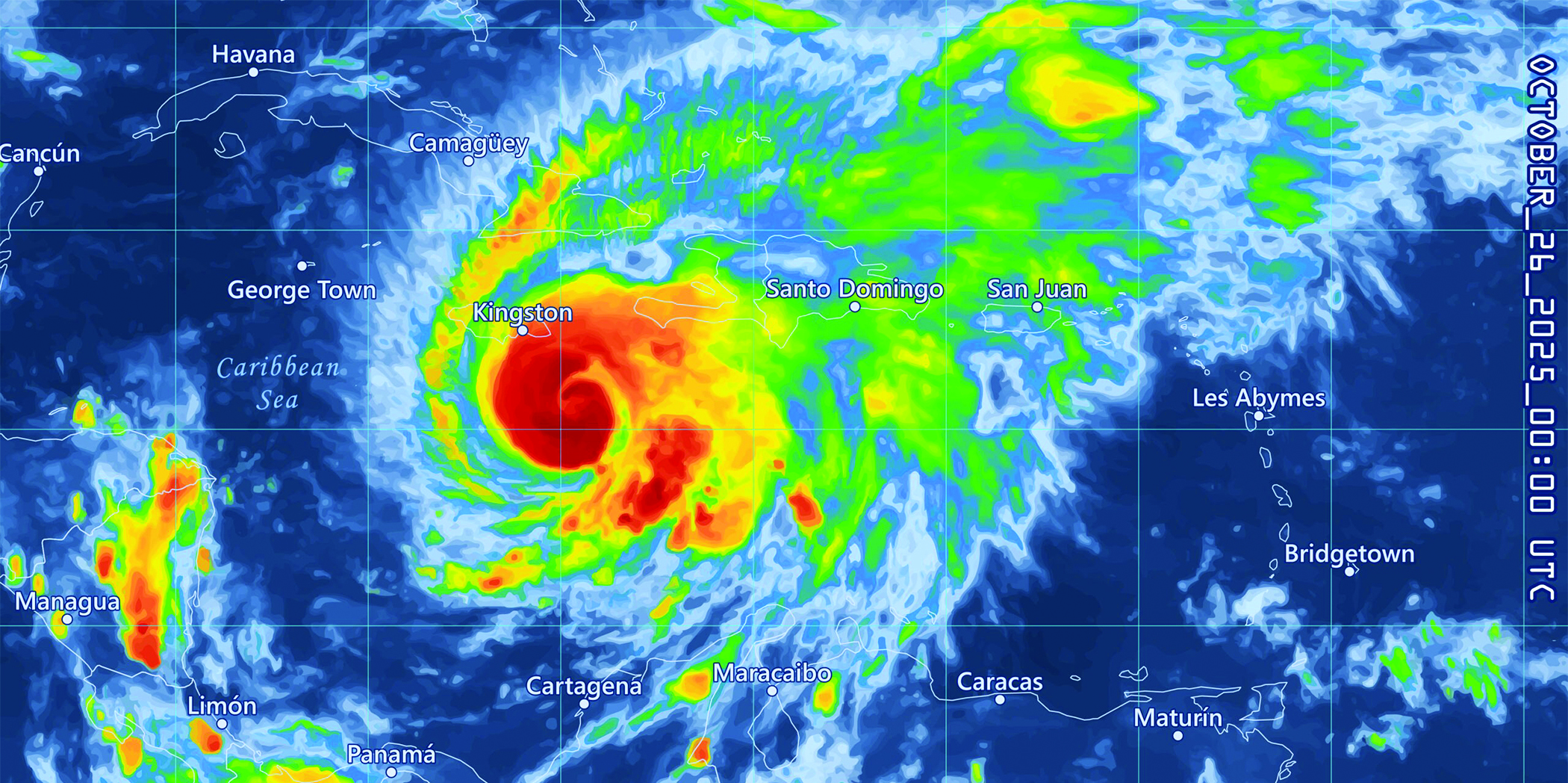
Roaring winds at 185 mph tore across New Hope, Jamaica as Hurricane Melissa caused a path of destruction on Oct. 28.
The Category 5 hurricane flooded streets, triggered hospital evacuations and left fatalities throughout the Dominican Republic, Haiti, Cuba and the Turks and Caicos Islands before setting its sights on the Commonwealth of the Bahamas and Bermuda.
“It was a really, really, really strong hurricane,” Scott Graves, a professor in the department of environment, geography and marine science, said. “In fact, it intensified very, very fast, going from maximum sustained speeds of like 40 mph to well over 100 in just a day or so.”
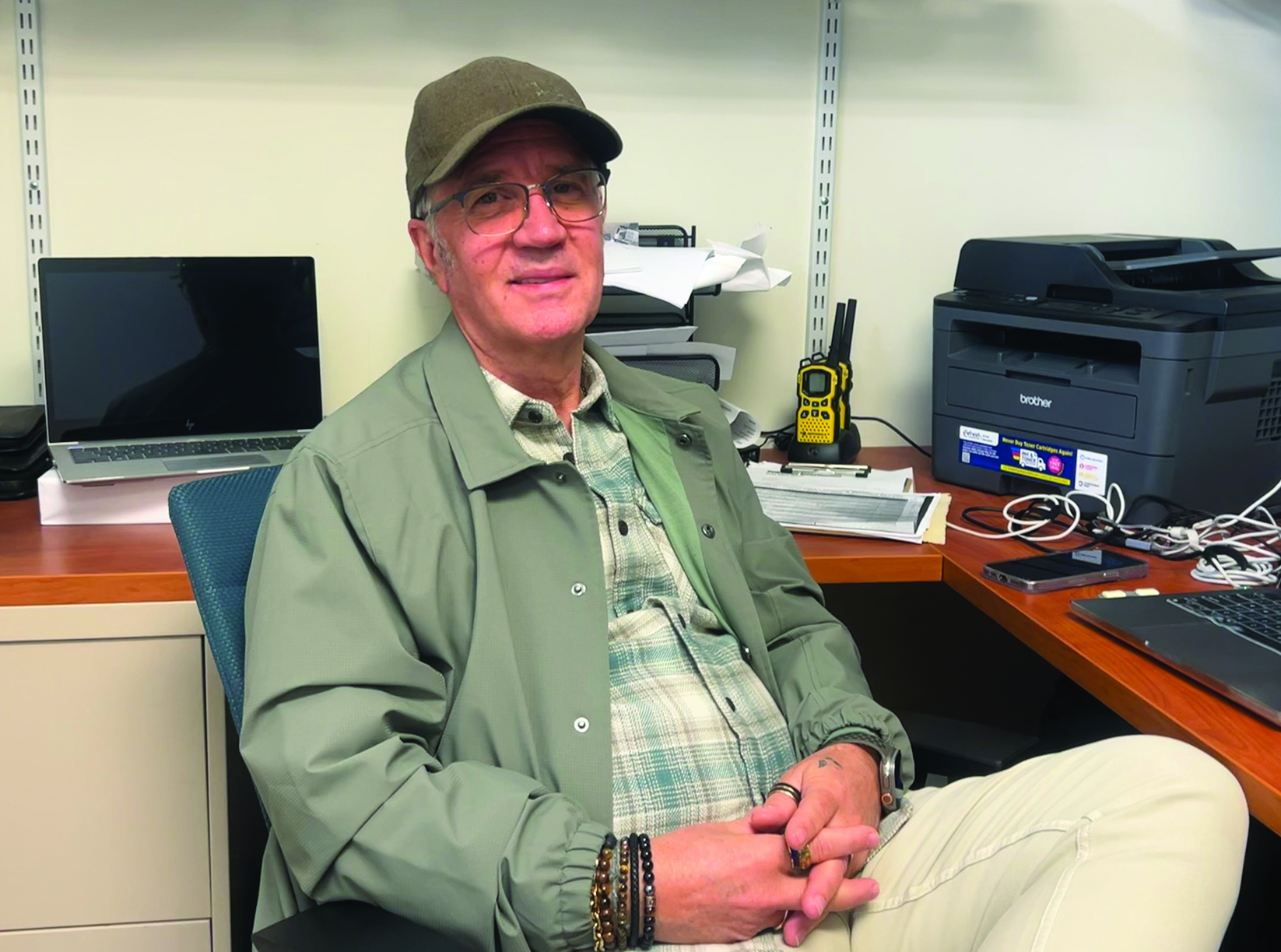
Graves, who specializes in oceanography, said that the storm’s rapid growth was fueled by unusually warm ocean temperatures across the Caribbean and Gulf of Mexico.
He revealed that over the last decade, those waters have continued to heat up and created ideal conditions for hurricanes to strengthen.
“Water needs about 75 degrees Fahrenheit to really start generating a lot of evaporation and uplift. But the waters in the area where the hurricane first started up and started gaining speed were 80 degrees Fahrenheit,” Graves said.
Graves said those extremely warm surface waters created intense evaporation, providing the storm with the energy it needed to grow.
Since hurricanes rely on warm water as their energy source, Graves said that those extremely warm surface waters created intense evaporation that allowed the storm to thrive.
Graves said that as the Gulf of America and the Caribbean temperatures continue to rise each summer, powerful storms like Melissa will not be unusual.
“That means that if there are storms that form, they’re going to be stronger than they were in the past,” Graves said.
Graves, who follows the Intergovernmental Panel on Climate Change, said that while the scientific community generally agrees that rising ocean temperatures are contributing to stronger and more destructive hurricanes, they are unsure if these storms will be more frequent.
“Although there have been a couple times in the last five or six years where there’s been multiple hurricanes in the Pacific and the Atlantic at the same time, the general consensus is that they’re just going to get stronger,” Graves said.
As hurricanes continue to reach greater levels of intensity, Graves said that scientists are beginning to question whether the current classification system is enough to capture their intensity.
He explained that the traditional scale, which ranks storms from Category 1 with between 74 and 95 mph of sustained wind to Category 5 by reaching 157 mph, may no longer reflect the reality of today’s more powerful hurricanes.
“But now we’re seeing storms that are just incredibly strong, like, 150 plus mile an hour sustained winds,” Graves said.
Data from OCHA’s Centre for Humanitarian Data and the Humanitarian Data Exchange shows that Hurricane Melissa produced the strongest estimated wind speeds at landfall and brought the second highest amount of rainfall in Jamaica since 2000.
With a new wave of storms expected to be launched, Graves said that global warming is a major contribution.
“In the last couple of 100 years, we have pumped so much CO2 in the atmosphere that everything’s warming up even more,” Graves said. “So all of a sudden, you have this interglacial period where everything should be stable, and now it’s warming.”
Graves revealed that this rise in global temperatures could also lead to more frequent and intense floods, droughts, hurricanes and wildfires.
Graves emphasized that understanding the science behind natural disasters is the surface of the issues. He said true learning stems from connecting that knowledge to empathy and awareness of the world beyond campus.
“I think that the more that our students know, at the very least, we could begin to develop compassion for people who are suffering under the situation of a hurricane,” Graves said.
With this information shared, Graves said he hopes that students will take these lessons to heart and be aware of the world unfolding around them.
“Sometimes we just get in our little bubble. We forget that nature is happening out there all the time,” Graves said. “The main thing is to develop a broader awareness.”