Haljit Basuljevic—Reporter
A newly approved policy will allow students who died before completing their degree to be awarded an honorary certificate upon request of their family members.
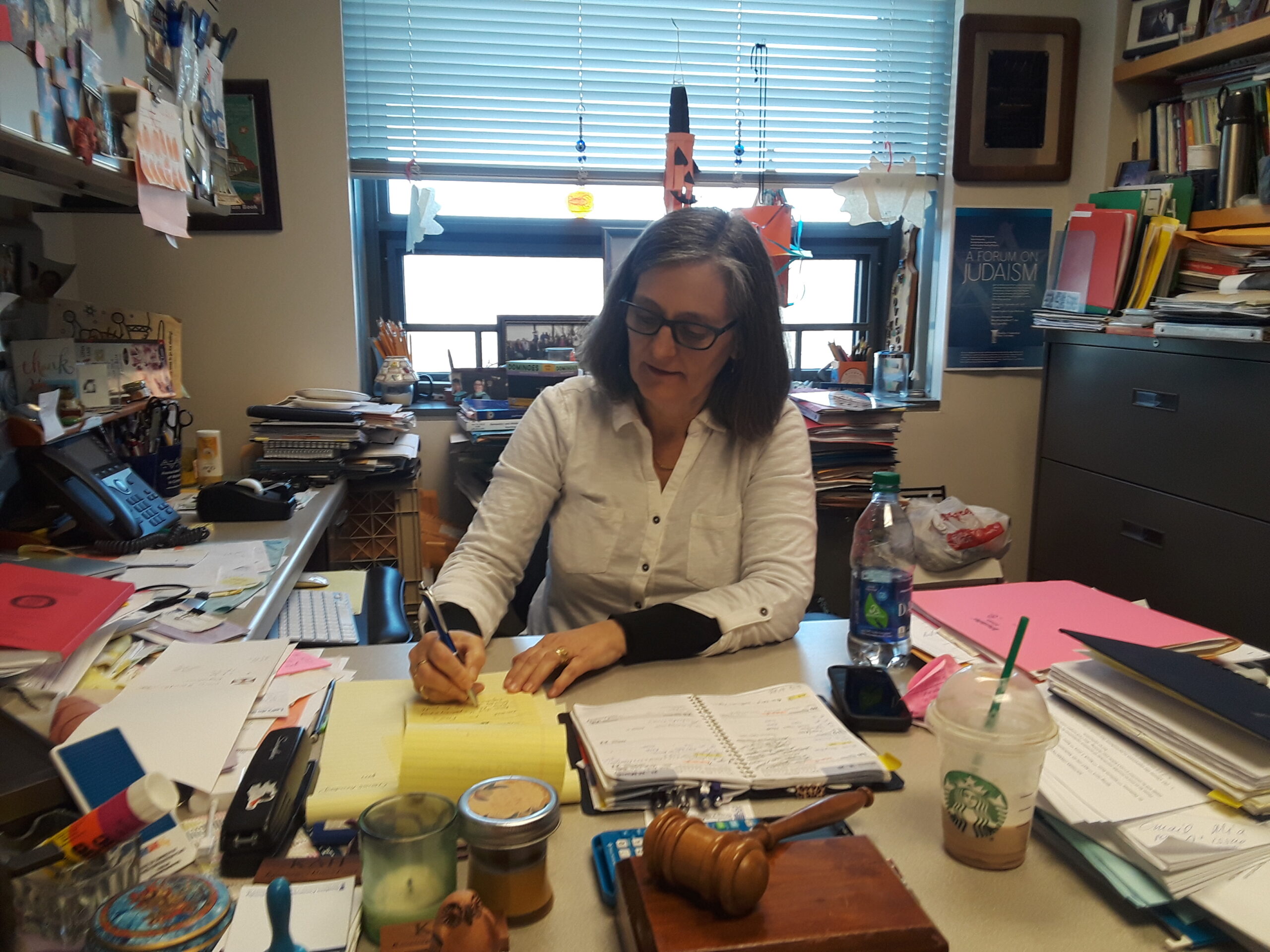
Math professor and Faculty Senate President Maria Diamantis said it was not until before spring break that the policy had been written, finalized and sent to the president’s office for approval.
The proposal includes details on the requirements a student would have if he or she were to receive a certificate for their work, she said.
For the most part, accruing at least 75 percent of the credits needed would deem the student eligible for a degree certificate. This applies to undergraduates as well as graduates.
If the completed credit percentage falls lower than that standard, then the family will receive a recognition of academic achievement and memoriam, she said.
“We will make the recommendation and the student’s family will receive the degree,” said Diamantis. “If the student is less than that, then the family receives a certificate recognizing the number of credits completed, et cetera.”
The request for the proposal usually comes from a family member or the department within which the student was studying.
She also said making a request and having it approved is not restricted to any department. Afterward, a family representative, if they choose this option, can receive the degree at commencement ceremony. If not, then they can opt to receive it at a private ceremony.
Chair of the Academic Policy Committee and philosophy professor David Pettigrew, said after a request is made the proposal is sent through a chain of commands: from dean to family to president and provost.
He said he felt the policy the university had written was unique in relation to the other universities.
“The other thing was that it provides compassion and recognition for the achievement, [it] honors the students memory, and provides a source of solace for the bereaved family,” said Pettigrew. “Those are things I didn’t see in other policies. That’s what’s it’s all about.”
Because of the low number of untimely deaths amongst students, Diamantis said there was no necessity to rush for the policy to be written and processed.
However, Diamantis took initiative in the beginning of the year to take an in-depth look at how the policy can be structured.
“Sure enough, it’s just happened that this semester we did have a request of a student who passed,” said Diamantis, who has not received full disclosure of the details involving the student.
Photo Credit: Haljit Basuljevic