By: Valentina Toro
Managing Editor
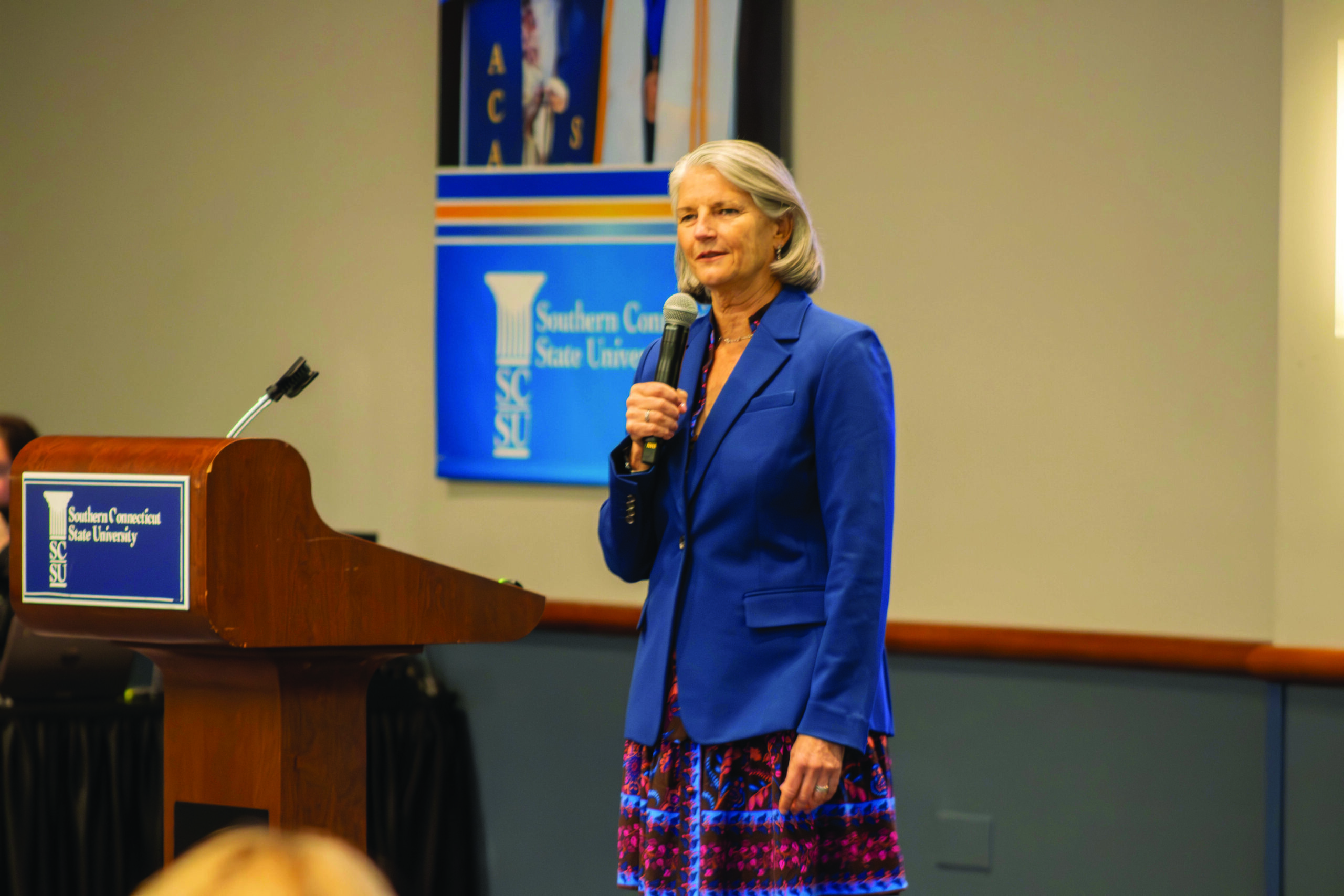
The university faculty and staff gathered for the “Fall University Town Hall,” where Interim President Sandra Bulmer discussed campus accomplishments, administrative concerns, leadership changes and the university’s growing budget deficit.
Bulmer began by recognizing the university’s 80.4% first-to-second-year retention rate before addressing concerns she has heard from the campus community about communication, administrative processes and campus climate.
“I hear loud and clear how frustrated the campus community is with our administrative processes,” Bulmer said. “Specifically, we still have challenges with our accounts payable. We still have challenges with contracting. We still have challenges with reimbursements.”
Bulmer said finance and administration will provide more information about those issues in a separate presentation. She also acknowledged calls for more communication from university leadership and said she plans to send regular newsletters and hold virtual town halls.
“I’m hearing a fair amount that people need more communication from me and from our leadership about what is happening, decisions that are being made, how those decisions are being made,” Bulmer said.
Campus climate was another concern addressed during the Town Hall. The university has reached the enrollment threshold for designation as a Hispanic-Serving Institution, with Hispanic students making up at least 25% of enrollment. Bulmer said the university is considering what that means for how it serves students and plans to launch its first campus climate survey since 2017.
Bulmer also outlined a two-year plan to fill interim leadership positions. The university is continuing its search for a permanent provost, with searches for other administrative positions expected to follow.
The largest portion of the Town Hall focused on the finances. The university projects approximately $221.1 million in revenue and nearly $249.6 million in expenses for fiscal year 2027, leaving a $28.5 million deficit.
“That’s a lot,” Bulmer said. “That’s a very, very, very big number to get your head around.”
Personnel represents approximately 71% of projected expenses. Bulmer said university expenses have increased by about $60 million since fiscal year 2019, while revenues have increased by approximately $33 million.
The university has responded by leaving 28 positions unfilled last year and plans to leave another 20 unfilled this year. Bulmer said the university is also using zero-based budgeting, reviewing operations and looking for opportunities to consolidate.
Rather than relying on significant tuition increases or widespread cuts, Bulmer said the university will focus on advocating for greater state appropriations.
“We need to go right to the legislature and tell the Southern story,” Bulmer said. “What does Southern mean? What is Southern doing with your money?”
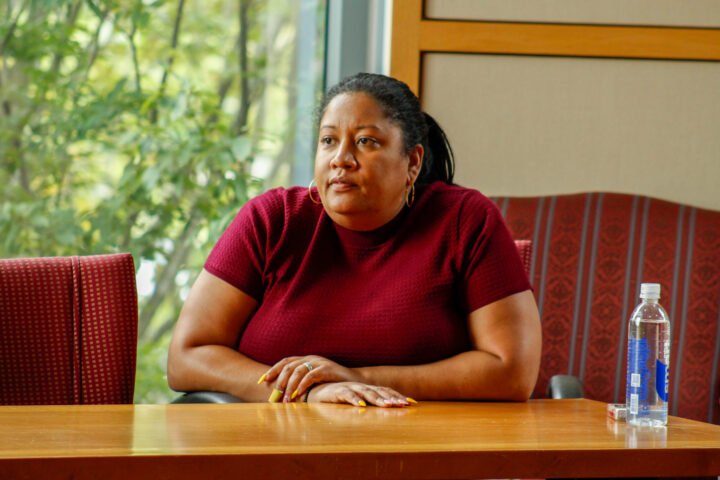
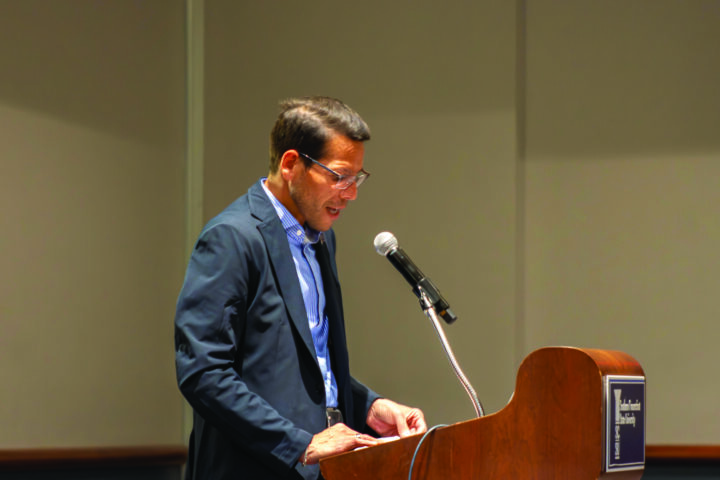
Faculty members raised questions following Bulmer’s presentation about communication, shared governance and what would happen if additional state funding does not materialize. One faculty member asked whether the university had a “Plan B” for addressing the deficit.
Bulmer said decisions on that scale could require involvement from the Connecticut State Colleges and Universities system, Board of Regents and collective bargaining units.
“This is a moment for us to come together, to come up with a strategy, to do a full-court press before the election, before the governor’s budget and then throughout the legislative session,” Bulmer said.