By: Kadisha Pierre-Louis
Contributor
For students still exploring their interests, choosing a major or minor can open the door to new academic and career opportunities.
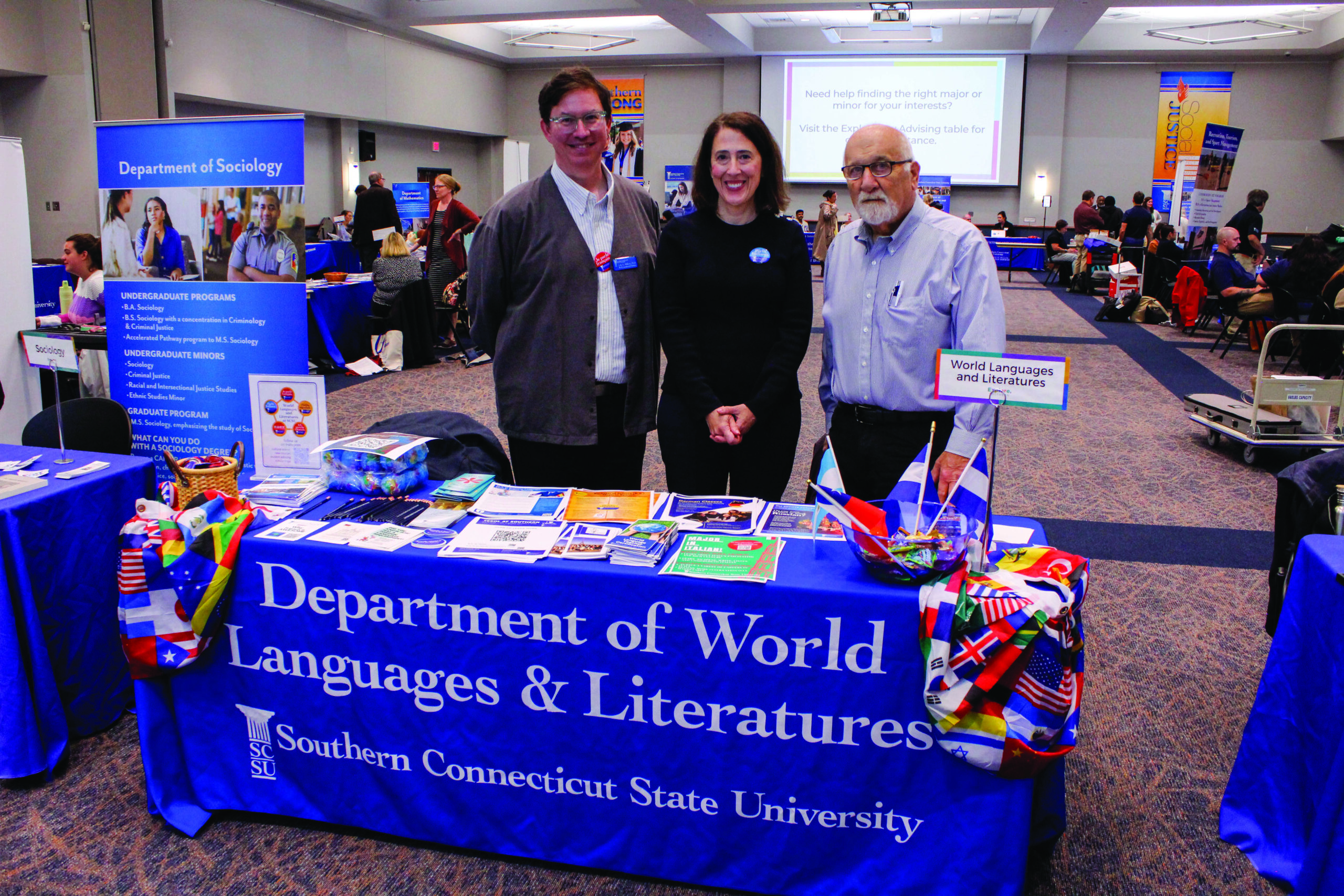
The “Major and Minor Fair” on Thursday, Oct. 1, gave students an opportunity to explore their options, ask questions and connect directly with academic departments before making those decisions.
“My hope is that students have an open mind about their options and get a chance to get questions answered about what they’re interested in,” Morgan Cottrell, the coordinator of Academic Advising for Major Exploration, said.
The annual fair on Sept. 28, brought multiple academic departments together in one place so students can learn more about what each program offered. Students were able to visit various departments and speak with professors and representatives about any minors and majors they were interested in.
Cottrell said the event is designed to make the process easier and encourage students to begin thinking about their options before meeting with an adviser.
“I think honestly any college experience a student has whether it’s their major or minor can have influence on their career choices,” Cottrell said. “When you declare a minor it’s another thing you’re doing to learn more about yourself and your taking another chance to get more opportunities.”
The fair also gave students an opportunity to discover programs they may not have considered before.
According to the university’s “Fast Facts,” the institution provides 180 undergraduate minors and majors as of 2024-25 academic year.
This gives students a wide range of academic combinations to explore from various departments like College of Arts and Sciences to School of Business.
Benjamin McNamee, coordinator of first-year advising, said minors can give students the opportunity to study something outside of their major while still working it into their degree requirements.
“It’s kind of a way to figure out another thing that you’re interested in. People will do things that complement their major, or if they’re majoring in something but just have like this burning passion for something else, they could minor in that other thing,” McNamee said. “It kind of helps them to scratch two itches in one degree.”
McNamee, who majored in history and minored in political science, said his own experience with a minor has shown him how it can provide an additional talking point when applying for jobs.
“In all the interviews I’ve ever been on, nobody has ever asked me, ‘Why did you major in history?’” McNamee said. “But it has come up multiple times, ‘Why do you have a minor in political science?’”
Since a minor is optional, McNamee said, it can show employers that a student made a deliberate choice to study another subject.
Cottrell also said declaring a minor can provide students with additional opportunities to and connections that can help them beyond the university.
“When you declare a minor, you get a mentorship from faculty members and you get additional access to courses that can help with internships,” Cottrell said.
However, Cottrell emphasized that students do not need a minor to be successful after graduation. The decision should depend on each student’s academic and career goals.
“I think the question of whether it’s beneficial or not depends on the student,” Cottrell said. “The only one situation where I don’t recommend if it’ll add time onto their degree.”
For students who are considering adding a minor, McNamee recommends exploring their options early. McNamee said that most minors require about 18 credits, or six classes, and some introductory courses may already count toward a student’s general education requirements.
“Sophomore year is perfect,” McNamee said. “I would say as long as you declare it sometime in junior year, you probably could fit it in.”
Cottrell recommends that students do their research as an underclassman.
“The message is exploring early. The earlier, the better,” Cottrell said. “Sometimes students wait until their junior year and find out about cool things they could have learned about earlier.”
Students who are still unsure about what they want to study can use the university’s “Explore Southern” website, speak with their academic adviser or visit the Career and Professional Development office.
Cottrell said students should remember that their degree does not necessarily determine the one career they will have after graduation.
“A lot of students think they know what career they want to go into when they leave college, but sometimes that’s not the case,” Cottrell said.
Whether students attend the fair with a clear plan or simply walk around looking for something that catches their interest, the goal is to encourage them to explore.
“You just never know when you’re going to have that insight that will help you clarify your career trajectory,” Cottrell said.