By Jay’Mi Vazquez
Managing Editor
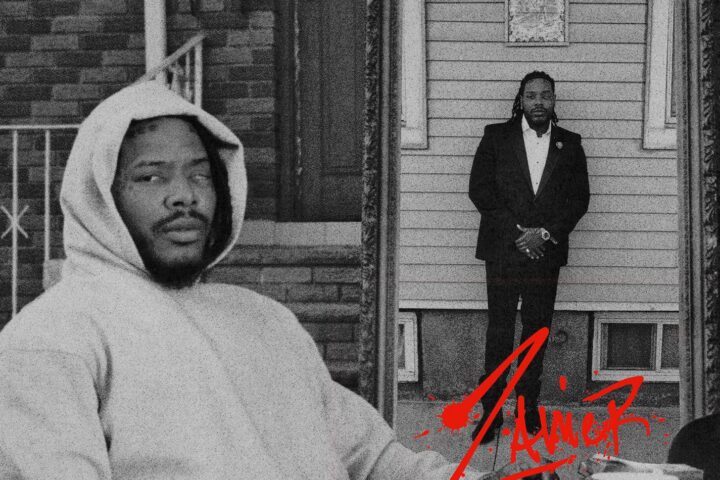
Jack Harlow’s latest album, titled “Monica,” felt like a turning point in his career, but not in the way I had hoped.
Instead of building on what made him stand out, the project drifted into a space that sounded polished on the surface yet left me uninterested and disconnected.
Released on March 13, his fourth studio album marked a shift away from the confident, witty rap style that defined earlier projects like “Jackman.”
His earlier work carried a clear sense of identity and purpose, but on this album, Harlow appeared more focused on mood than message.
He leaned into R&B and neo-soul influences, trading punchlines for softer vocals and mellow instrumentation.
Artistic growth often benefits an artist, but this shift felt less like progress and more like a loss of identity. The qualities that once made his music engaging felt muted, replaced by a sound that lacked the same presence.
One of the album’s main issues was how emotionally flat it felt.
Songs like “All Of My Friends” and “Trade Places” aimed for vulnerability but came across as surface-level and overly safe. There was little urgency in either the writing or delivery.
Even when Harlow explored themes like love or heartbreak, the emotions did not fully connect.
Instead of drawing the listener in, those moments faded quickly, leaving no impression once the tracks ended. That lack of memorability stood out, especially compared to how engaging his previous work has been.
The production also struggled to leave a strong impact.
On paper, the album had the right elements. It featured contributions from skilled musicians, and the instrumentals were clean, jazzy and well-constructed.
Rather than elevating the music, though, the production felt too controlled. Everything seemed smoothed out to the point where few moments stood apart.
At times, the album leaned so heavily into a mellow tone that it felt closer to background music than a project meant to hold the audience’s attention.
There were brief moments that hinted at something more. Tracks like “Prague” and “Say Hello” showed flashes of rhythm and personality, suggesting a stronger direction.
Those moments, however, were shortlived and often lost within a project that blended together into a single, indistinct sound.
Harlow’s vocals added to this issue, as they often came across as restrained and low-energy.
What made “Monica” more frustrating was that its direction felt deliberate.
Harlow had spoken about wanting to mature and explore new sounds, especially through leaning into R&B influences.
However, growth does not require losing what makes an artist unique. In this case, it felt like he adapted to a style instead of shaping it to fit his strengths.
The result was an album that sounded refined but lacked the spark that once defined his music.