By Valentina Toro
Features Editor
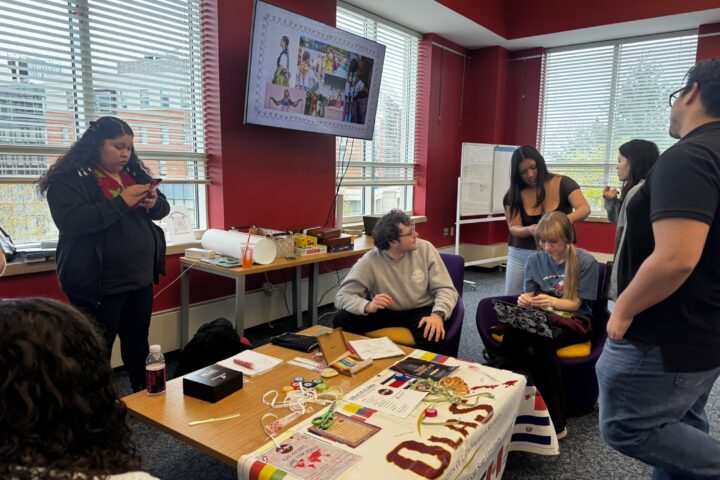
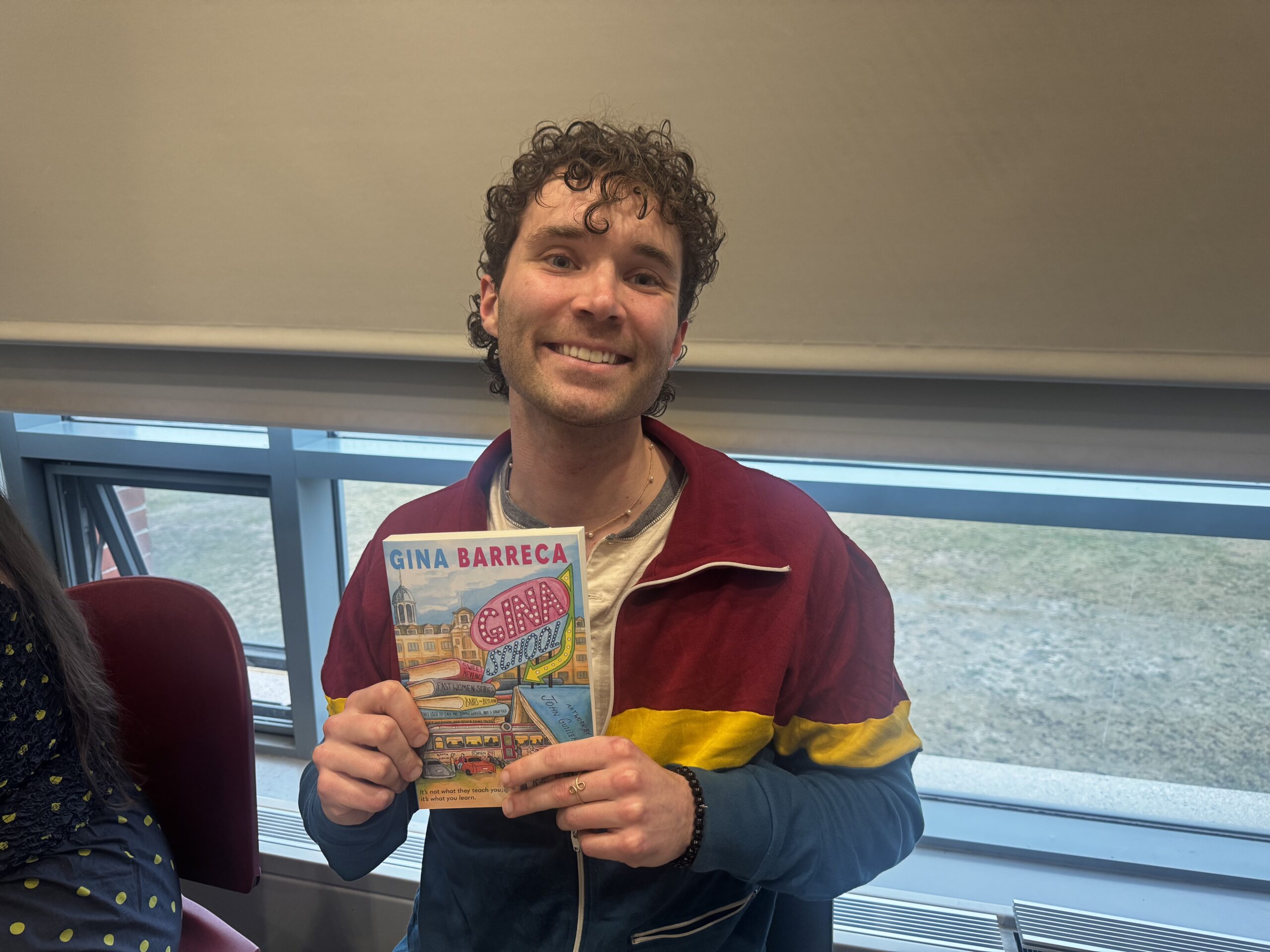
Students gathered in Engleman Hall Room D253 on March 12 to explore the creative process behind graphic novels during a discussion led by author Jules Bakes and artist John Guillemette.
Graphic Novel Writing and Illustrating brought students together for a conversation about storytelling through both writing and visual art. The session showcased graphic novels as an accessible creative form while encouraging students to explore their own artistic voices.
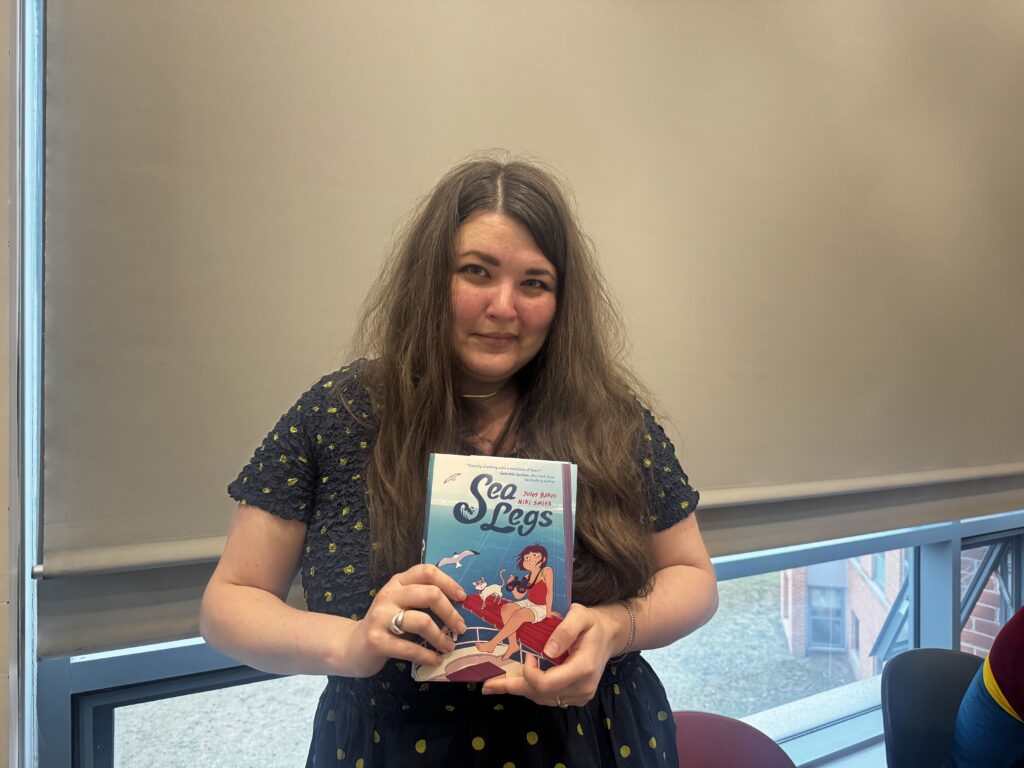
“I hope they feel a little more empowered to pursue creative endeavors,” Bakes, author of Sea Legs, said. “Admitting to my own relative inexperience helps people feel a little less intimidated by what is genuinely an accessible experience for many people.”
Throughout the discussion, both speakers focused on creativity as a tool for personal growth and self-expression.
Bakes described graphic novels as a way to process experiences, explaining how storytelling can help individuals reflect on their lives and better understand the world around them.
“It is a good way to process,” Bakes said. “It helped me unpack some of my own experience. It is just like a soul-builder, you know? It develops you as a person.”
Guillemette expanded on this idea by focusing on the importance of access and community in creative work.
Drawing from his experience as a recent graduate, he pointed to the artistic environment in New Haven and the role the university plays in fostering creative opportunities for students.
He described the campus as a space where emerging creatives can find both inspiration and support.
“I feel like if I can do it, they can do it,” Guillemette said. “I see a lot of creative ability in students.”
He encouraged students to not overthink the process, emphasizing that many creative projects begin with uncertainty.
Rather than focusing on the final outcome, Guillemette said students should concentrate on simply beginning and allowing their ideas to develop naturally.
“I think momentum is a big thing,” Guillemette said. “Starting and just trusting that you’ve begun is planning.”
Both speakers also discussed why graphic novels are becoming increasingly popular, particularly among younger readers. Bakes noted that the format combines visual storytelling with literary depth, making it appealing to a wide audience.
“I think a lot of the value in a graphic novel is that you’re getting the best of both worlds,” Bakes said. “It has the artistic value of written work but also the artistic value of visual works like film and television.”
Guillemette added that graphic novels can serve as an entry point for readers who may not typically engage with traditional texts. The combination of visuals and narrative, he said, can make stories more approachable while still offering meaningful content.
“I think some people perceive them as kind of like lowbrow or easy to get into,” Guillemette said. “I view them as a gateway into reading.”
As the event concluded, both speakers returned to the idea of taking initiative in creative work. They encouraged students to move past hesitation and embrace storytelling as a way to express themselves and connect with others.
“Don’t worry about the final product,” Guillemette said. “Just focus on the story.”