By: Brianna Wallen
Editor-in-Chief
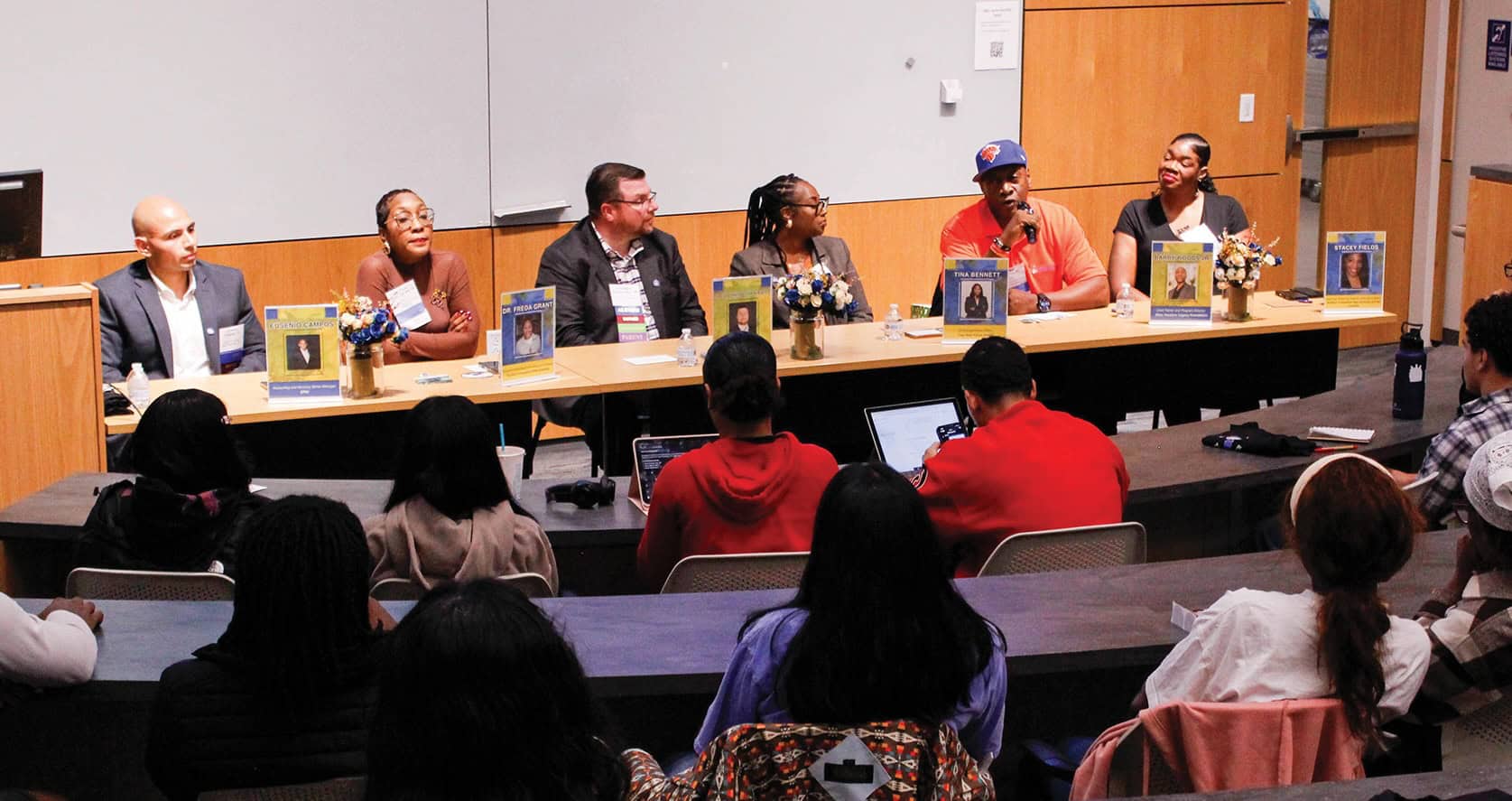
Six university alumni returned to campus on Friday, Nov. 6, to share how their experiences as first-generation college students shaped their academic journeys and professional careers.
Held in the School of Business, each panelist brought a unique perspective shaped by their experiences as first-generation college students and graduates.
“I felt out of place from the very beginning when it came to even filling out the financial aid FAFSA form,” Chief Experience Officer at Yale New Haven Health Tina Bennett, said. “Being the first meant there was no one in my family who had done it, so I didn’t have help.”
That lack of guidance was a shared experience among the panelists, who each found their own ways to navigate college, pursue career opportunities and build support systems along the way.
Other panelists included Eusenio Campos, Accounting and Advisory Senior Manager at CFGI; Freda Grant, founder of Grant Equity Consulting and adjunct faculty member in the Women and Gender Studies; Christopher M. Borajkiewicz, private wealth advisor; Stacey Fields, emergency room registered nurse and Alumni Association board member; and Barry Woods, youth development leader and author.
The event was hosted by Bernard Macklin, Assistant Director of University Access Program, and organized by Maya Brehan, a graduate.
While reflecting on her time as a teen mother raising a kid while in college, Grant said she experienced moments of self-doubt while navigating higher education.
She recalled comparing her graduate school experience with peers who had access to internships and other opportunities she could not always pursue.
“As a first-generation student, sometimes we’re conditioned to believe that we’re entering something with lack, because we might not have the financial resources that other folks may not have,” Grant said.
Grant encouraged students to recognize the value of their personal experiences and remember that they do not have to change who they are to succeed.
“But what you do have that’s so valuable is lived experience. What you do have that’s so valuable is that thing inside of you that makes you, you,” Grant said. “The thing that got you here and got you all in those seats are the things that are going to keep you at every part of your journey.”
For current first-generation students who may feel intimidated entering unfamiliar academic or professional spaces, Woods shared how he experienced similar doubts during college.
Woods said he initially hesitated to pursue internships because he felt out of place in professional environments and worried about how others would perceive him. However, his academic adviser encouraged him to complete an internship, which helped him recognize his abilities and gain confidence in his education.
“I realized that I can sit in the seat just like they sit in the seat. I can show up, and I know stuff just like they know stuff,” Woods said.
Fields said her experiences at the university helped shape her commitment to advocacy. During college, she co-founded the university’s NAACP chapter after feeling that students, including herself, lacked support.
“Instead of running, instead of leaving, I decided to do something and be the voice for the other students that were going through the same thing,” Fields said.
Borajkiewicz challenged students to rethink how they view their education and the opportunities available to them after graduation. He said attending this university should not make students feel less qualified or accomplished than graduates from other universities.
“Do not underestimate yourselves,” Borajkiewicz said. “Do not sell yourself short. Walk into every interview, every opportunity, head held high when you do that.”
Interim President Sandra Bulmer closed the event by thanking the panelists for sharing their experiences and reflecting on the importance of legacy.
She encouraged students to recognize the opportunities they have to shape their futures and create new possibilities for their families.
“I think the one thing that was a really big takeaway was that last conversation about legacy and what you have the opportunity to be in your life and do with your family,” Bulmer said. “A lot can happen in one generation.”