By Jay’mi Vazquez
Managing Editor
Fashion has long been dismissed as something superficial, reduced to the simple idea of what someone wears. For many, it begins and ends with clothing, fabric, brands and trends. But that narrow view misses what actually gives fashion its cultural weight.
The truth is, fashion does not become meaningful until it is seen, and photography is what makes that possible.
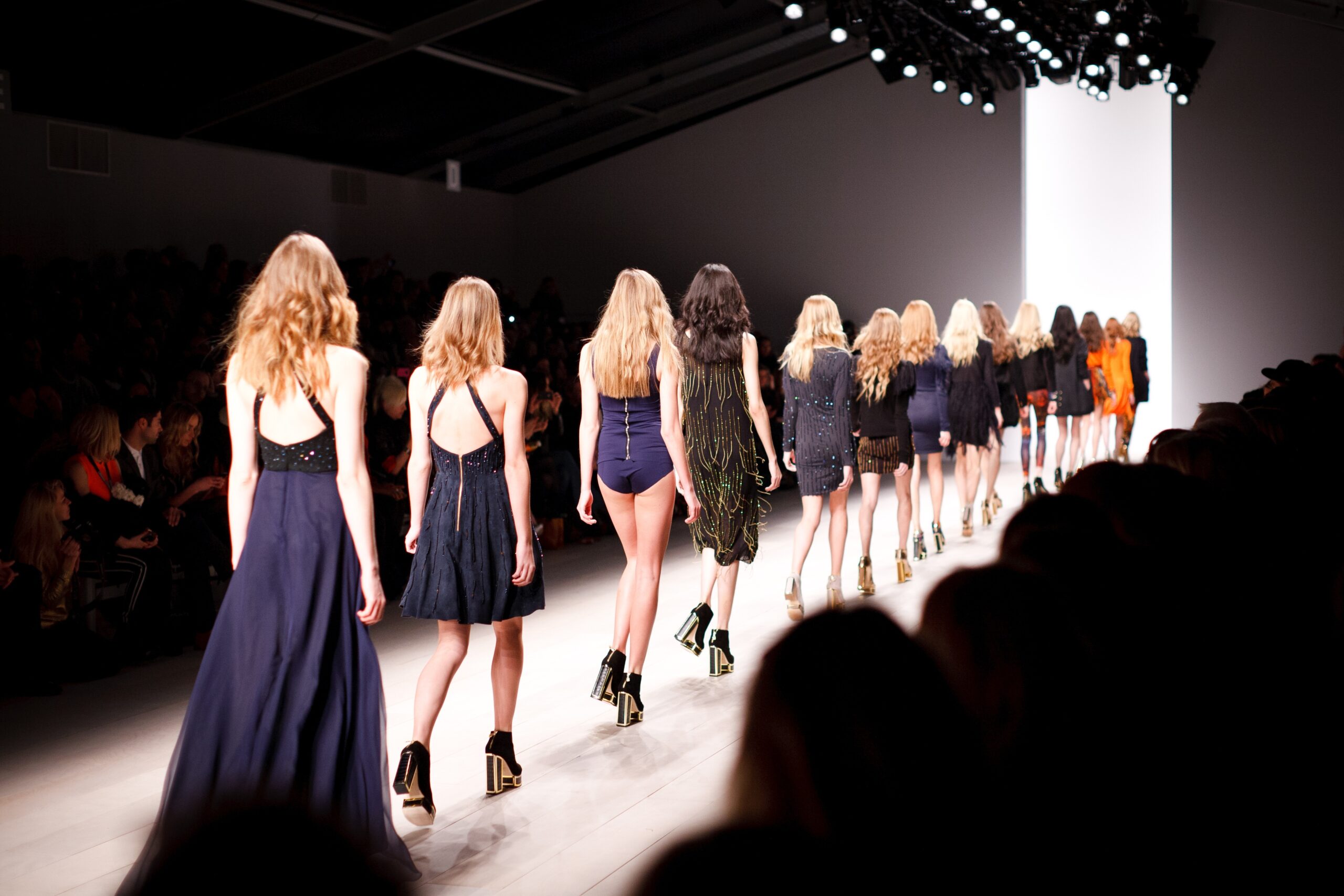
Clothing on its own is just material. To me, clothing becomes fashion when it is framed, styled and presented to an audience. That transformation happens through photography.
Without it, even the most innovative designs would struggle to leave a lasting impression beyond the people physically present to see them.
Photography does not just document fashion; it defines it. A single image can shape how an entire collection is perceived.
Lighting can make a look feel dramatic or subdued.
Composition can suggest power, intimacy or rebellion. The setting can shift a garment from everyday wear to high art.
Ultimately, in this way, photography gives fashion its voice, turning silent pieces of clothing into visual statements.
For decades, most fashion magazines have shaped cultural taste and industry standards.
Publications like Vogue and Harper’s Bazaar did not become influential simply because of the designers they featured.
Their power came from the images they produced. Photographers such as Richard Avedon and Annie Leibovitz elevated fashion photography into an art form, creating visuals that people remember long after the specific garments fade from memory.
In many cases, it is the photograph, not the clothing, that defines an era.
When people think of past fashion movements, they often recall iconic images rather than specific pieces.
Photography freezes fleeting trends in time, giving them permanence and cultural significance. Without it, fashion would be far more transient, existing only in the moment it is worn.
Photography’s role in fashion has only expanded in the digital age. Platforms like Instagram and TikTok have turned fashion into constant visual conversation.
In this environment, what matters is not just what is worn but how it is presented. A well-composed photo can elevate a simple outfit, while a poorly executed one can diminish even the most expensive or thoughtfully designed look.
This shift has blurred the line between fashion and image-making.
Today, styling an outfit and capturing it are often inseparable acts. The photograph is no longer just a record of fashion, it is the final product.
Brands understand this, which is why so much emphasis is placed on campaign imagery and visual identity.
The success of a collection often depends as much on how it is photographed as on the design itself.
At the same time, this visual dominance introduces tension.
Photography has the power to shape perception in ways that are not always realistic.
Highly curated and edited images can create unattainable standards, reinforcing that fashion exists in a polished, idealized world.
Thus, in that sense, photography does not just elevate fashion; it can also distort it.
Still, its importance cannot be overstated.
Photography has also made fashion more accessible. It allows emerging designers, photographers and everyday individuals to share their work with a global audience.
A single compelling image can spark a trend or redefine how people think about style.