By Draven Dabrowski
Sports Writer
For years, Division II and Division III athletic programs have focused on development.
At Division II schools like ours, recruiting has not been about landing five-star prospects or making national headlines. It has been about finding underrated players and building them up, turning them into something more over time.
But in today’s college athletics landscape, the old model is being tested like never before.
With the rise of Name, Image and Likeness opportunities and the transfer portal, smaller programs are increasingly finding themselves on the wrong end of a system they help sustain.
That reality hits close to home at the university.
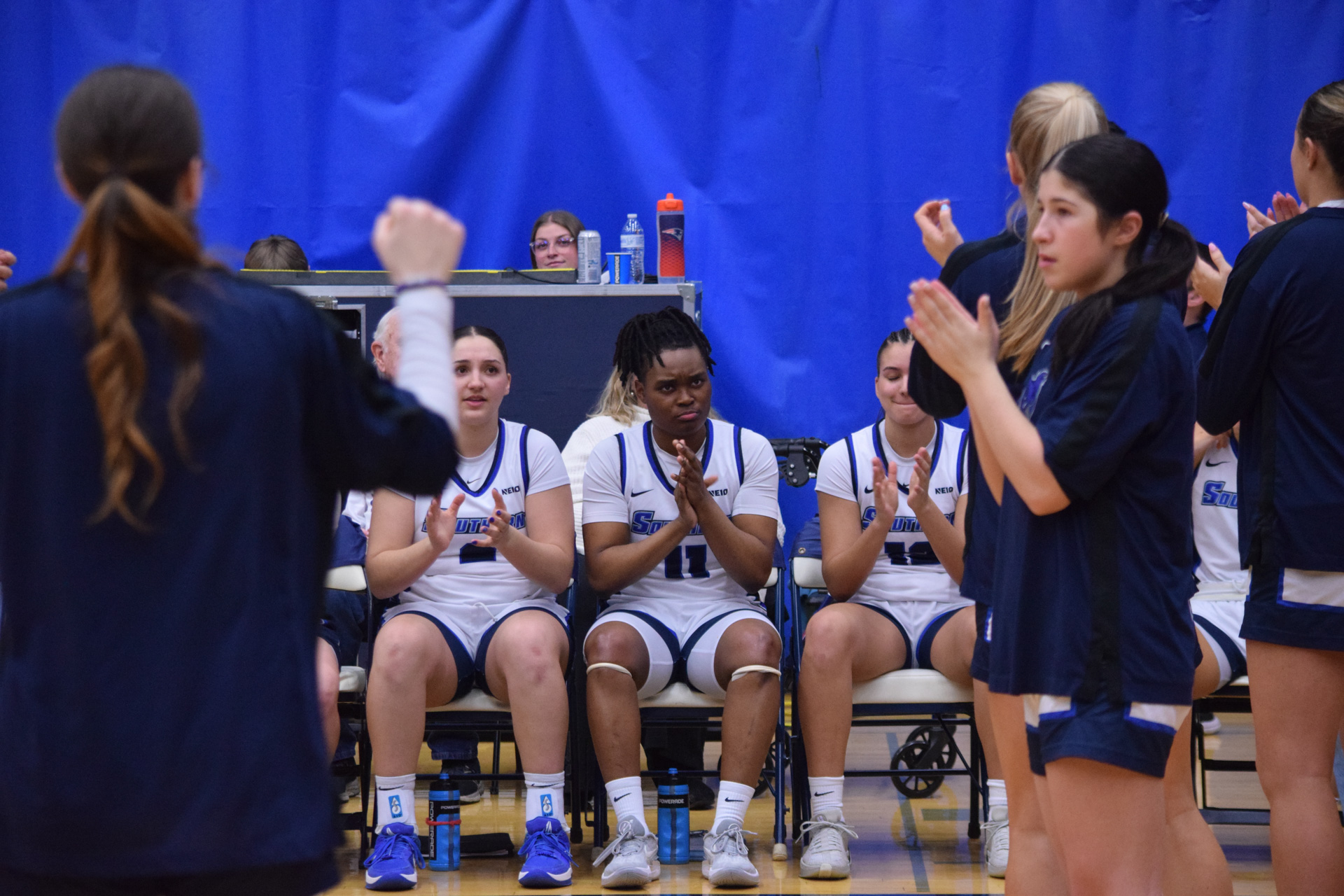
Women’s basketball standout forward Tish Blackwood, a freshman, recently entered her name into the transfer portal after a strong rookie season.
“I am incredibly grateful for the opportunity to have been a part of Southern Connecticut State University women’s basketball,” Blackwood said. “I will always value the memories, lessons and relationships I’ve gained during my time here.”
Her departure reflects a growing trend. After developing into impact players, athletes at the Division II level are now more visible than ever and more accessible.
The transfer portal has made it easy for higher-level programs to identify and pursue proven talent rather than taking risks on unproven recruits.
Men’s basketball guard Makai Coleman, a sophomore, has also entered his name into the portal following a standout season.
“Being a part of this program has been instrumental in my growth as a player and person,” Coleman said. “I will always cherish the memories, relationships and opportunities I’ve been fortunate enough to experience.”
The university’s athletic department is doing exactly what they are built to do: develop players.
But instead of seeing long-term results from that development, they are often left restarting the process.
Coaches invest time into players, build them into contributors, and just as they reach their peak, they move on.
Meanwhile, Division I programs benefit from athletes who are already experienced, tested and ready to perform.
The opportunity to move up, gain exposure and potentially earn money through NIL is something many athletes have worked toward for years.
Without the same financial backing, exposure or NIL opportunities, Division II and III programs are left trying to keep pace in a system that continues to evolve around them. And yet, they continue to compete.
They continue to develop. Because that is what Divison II athletics is all about.